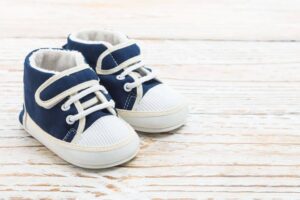
When your child starts to walk, choosing the right toddler shoes becomes essential. Toddler feet need to be supported, flexible, and comfortable because they are fragile and still developing. In addition to facilitating natural movement, the best toddler shoes also support healthy foot development and injury prevention.
Parents are frequently overwhelmed by the hundreds of brands and styles that are available. Using key features designed for growing feet, parent reviews, and expert recommendations, this guide will assist you in selecting the best toddler shoes. We have everything you need, whether you’re searching for dress shoes for special occasions, summer sandals, or everyday sneakers.
1. The Importance of Proper Footwear for Toddlers
1. The Science of Foot Development in Children
Toddler feet are amazing examples of development and transformation. A child’s foot is primarily made of soft tissue at birth, and as they grow, the bones gradually ossify. The development of the foot arch, which undergoes rapid change between the ages of one and six and typically reaches adult form by the age of seven, is especially significant.
Toddlers are developing their posture, balance, and coordination during the early walking stages. It is frequently advised to walk barefoot indoors because it promotes natural movement, builds foot muscles, and aids in the development of a healthy plantar arch. However, appropriate footwear becomes crucial when protection is required, particularly outside.
2. The Dangers of Badly Fitting Footwear
Shoes that don’t fit well can have long-term effects. While too-loose toddler shoes can result in instability, tripping, and abnormal gait development, too-tight toddler shoes can cause blisters, calluses, and even deformities. Over time, these issues may affect general comfort, mobility, and posture.
3. Shoes’ Contribution to Healthy Development
The proper footwear protects, promotes natural foot movement, and helps avoid orthopaedic problems. They should provide a snug fit, flexibility, and cushioning so the foot can grow and move freely. Given that toddler shoes feet can grow quickly and occasionally change sizes every few months, it is imperative to regularly check shoe fit.
2. Essential Elements of the Greatest Toddler Shoes
Certain features are essential for toddler shoe shopping in order to guarantee comfort, security, and healthy development:
1. Broad Toe Box
The natural spreading of the toes, which is essential for balance and muscle growth, is made possible by a wide toe box. Too-narrow toddler shoes can limit mobility and prevent healthy development.
2. Adaptable Sole
To allow for a toddler’s foot’s natural movement, the sole should be flexible, particularly at the ball of the foot. This flexibility aids in the development of strength and coordination.
3. Steady Heel Cup
For toddlers who are still learning how to walk, a stable heel cup offers support and aids in maintaining proper alignment.
4. Compact Design
Lightweight toddler shoes help increase walking strength and endurance without impeding movement.
5. Materials That Breathe
Air can circulate through materials like leather or mesh, which keeps feet comfortable and lowers the chance of irritation.
6. Steady Progress
Particularly for energetic toddlers, non-slip soles are crucial for preventing slipping and guaranteeing safety.
7. Modifiable Fasteners
A snug fit is guaranteed by velcro, straps, or laces, which can also adapt to toddlers’ slightly changing foot sizes.
8. Potential for Development
Given that toddlers’ feet grow quickly, there should be adequate space inside the shoe for movement and development.
3. Professional Views: Suggestions from Pediatricians and Podiatrists
1. The Need for Shoes and the Advantages of Barefooting
To promote balance, posture, and coordination, the American Academy of Pediatrics (AAP) advises toddlers to spend as much time as possible barefoot. When shoes are required, they should be flexible and light to allow for normal foot movement.
2. Avoiding Shoes That Are Compressive and Stiff
Because they can lead to deformity, weakness, and loss of mobility, experts advise against wearing shoes with stiff, compressive features. Toddlers who are still learning to walk should not wear toddler shoes with high heels or ones that don’t stay firmly on the foot, such as Crocs or flip-flops.
3. The Value of Fit
A good fit is essential. Walking can be hampered, and ingrown toenails can result from wearing shoes that are too tight. To accommodate rapid foot growth, it is advised to have toddler shoes professionally fitted, taking into account both width and length.
4. Support and Absorption of Shock
Shoes should provide adequate shock absorption as kids participate in more high-impact activities. Pediatric physical therapist Dr. Sneha Gosalia stresses the importance of toddler shoes that fit the child’s foot shape and offer protection and warmth without squeezing the feet.
4. Toddler Shoe Types: Selecting the Correct Design
Different kinds of toddler shoes are suitable for different occasions and activities. An overview of the main categories is provided below:
Sneakers
- Ideal for: Active play and daily wear
- Features include flexible construction, breathable materials, and non-slip soles.
- Why make a choice? Give active toddlers protection, comfort, and support.
Sandals
- Ideal for: Playing outside in warm weather
- Features include cushioned soles, flexible straps, and open toes.
- Why make a choice? They are simple to put on and take off and permit air circulation.
Rain Boots
- Ideal for: Puddle jumping and wet conditions
- Features include high sides, water resistance, and ease of cleaning.
- Why make a choice? When it rains, keep your feet dry and safe.
Formal Shoes
- Ideal for: Special events
- Features: Usually slip-on or buckled, structured design
- Why make a choice? Complement formal attire while offering the required assistance
Slippers
- Ideal for: Colder months and indoor use
- Features: Warm, soft, and plush
- Why make a choice? Make the interior cozy and warm.
5. Top-Rated Models and Brands of Toddler Shoes
It’s useful to know which brands, out of the many available, are frequently suggested by both parents and experts:
Rite of Stride
- Why it is notable: provides a large range of sizes and styles, including options for people with wide feet. renowned for its supportive and long-lasting design.
- The best-selling Stride Rite Soft Motion Zips Runner Sneaker is commended for its fit, comfort, and ease of use.
The New Balance
- It is unique because it offers a variety of width options, making it suitable for toddlers with wide feet.
- The New Balance New-B Hook & Loop is the best model because it fits securely and has good traction and stability.
Ten Tiny
- Its wide-toe box design, flexibility, comfort, and ease of use are what make it unique. According to some users, the canvas material is easily stained.
The Saucony
- Why it stands out: Because of its support and durability, podiatrists highly recommend it.
- The best model is Saucony Cohesion, which offers breathability, flexibility, and a secure closure.
Watch Kai Run
- Quality and fit, particularly for wider feet, are what make it unique. Frequently offered at reasonable costs during sales.
KEEN
- Its exceptional grip for outdoor activities and long-lasting sandals and water shoes make it stand out.
6. Eco-Friendly and Sustainable Toddler Shoe Choices
Many parents are looking for sustainable and non-toxic options for their kids’ toddler shoes as environmental awareness rises.
Why Opt for Eco-Friendly Footwear?
- Health: Due to their more sensitive skin, children are more likely to experience allergic reactions to dangerous chemicals. Non-toxic toddler shoes are devoid of formaldehyde, lead, and phthalates.
- Environment: The shoe industry contributes significantly to waste and carbon emissions. Plant-based or recycled materials are used to make eco-friendly shoes, which lessen their impact on the environment.
Top Sustainable Brands
- Veja: Utilizes organic cotton, rubber from the Amazon, and recycled materials. It has initiatives to increase the lifespan of sneakers and places a strong emphasis on sustainability and transparency.
- Rothy’s: Uses plastic water bottles to create durable, machine-washable shoes. Their factory has a TRUE Zero-Waste certification.
- Native Shoes: Emphasizes non-toxic, biodegradable, and plant-based footwear. Old shoes are recycled into community projects through their RemixTM Project.
- Vivobarefoot: Provides a 100-day trial period for barefoot shoes that promote natural foot development.
- Reima: Focuses on making ethically produced, recyclable, and non-toxic shoes.
What to Search for
- Materials: Natural rubber, recycled plastics, organic cotton, or substitutes made from plants.
- Manufacturing: Fair compensation, safe working conditions, and ethical production.
- Durability: Shoes are made to last, so they don’t need to be replaced as often.
- Recycling/Repair: Companies that provide programs for recycling or repair.
7. Typical Issues with Toddler Footwear and Their Fixes
Typical Problems
1. Poor Fit: Blisters, discomfort, and developmental problems can result from toddler shoes that are either too tight or too loose.
2. Second-Hand Shoes: Shoes that have been worn before might not fit or support well, which could result in foot issues.
3. Unsuitable Styles: Adult-style footwear, such as rigid boots and flip-flops, frequently lacks the support and flexibility that are required.
4. Flexible soles are necessary because stiff soles can impede the growth of muscles.
5. Inaccurate Size Estimation: Purchasing larger toddler shoes for “growing room” or estimating sizes can result in an incorrect fit.
Fixes
- Accurate Measurement: To guarantee a proper fit, have both feet measured on a regular basis.
- Never purchase used shoes; instead, get your child brand-new shoes that fit their feet.
- Select the Right Styles: The best toddler shoes are supportive, flexible, and lightweight.
- Flexible Soles: Seek out footwear that permits organic motion.
- Track Gait: Keep an eye out for any indications of discomfort or unusual walking, and seek advice from a podiatrist if necessary.
8. Toddler Shoes Maintenance and Care Advice
Toddler shoes can last longer and remain safe and comfortable with proper care:
- Frequent Cleaning: After every use, use a moist cloth or soft brush to remove any dirt. Use a mild soap to remove more difficult stains.
- Shoes should be allowed to air dry in a cool, dry location. Steer clear of direct heat sources as they can harm materials.
- Protective Sprays: To prevent water damage and stains, use waterproofing or protectant sprays.
- Handle Scuffs: As soon as possible, repair scuffs and strengthen high-wear areas.
- Storage: To avoid fading and material deterioration, keep toddler shoes out of direct sunlight and in a cool, dry location.
- Size Checks: Because toddlers’ feet grow quickly, check fit frequently.
- Professional Repairs: To prolong shoe life in cases of severe damage, think about having your shoes professionally repaired.
9. Concluding Advice for Parents
- Toddlers’ feet grow quickly, so measure frequently and check fit every few months.
- Put Function Above Fashion: Opt for shoes that promote healthy growth rather than just the newest trends.
- Allow Them to Go Barefoot Indoors: When done safely, barefooting promotes the development of stronger foot muscles.
- Keep an Eye Out for Signs of Discomfort: Blisters, limping, or a hesitancy to walk could be signs of shoe issues.
- Seek Expert Advice: If in doubt, consult a podiatrist or pediatrician.
Conclusion
There is more to choosing the best toddler shoes than just picking a cute pair. Your child’s comfort, safety, and long-term foot health are all impacted by this choice. You can make sure your toddler’s feet are taken care of as they take their first steps and beyond by emphasizing fit, flexibility, support, and high-quality materials—as well as taking sustainable options into account. Keep in mind that the ideal toddler shoes are one that meets your child’s specific requirements, foster their growth, and enable them to confidently and joyfully explore the world.


Pingback:What Shoes to Wear with Wide Leg Pants: The best Ultimate Style Guide